
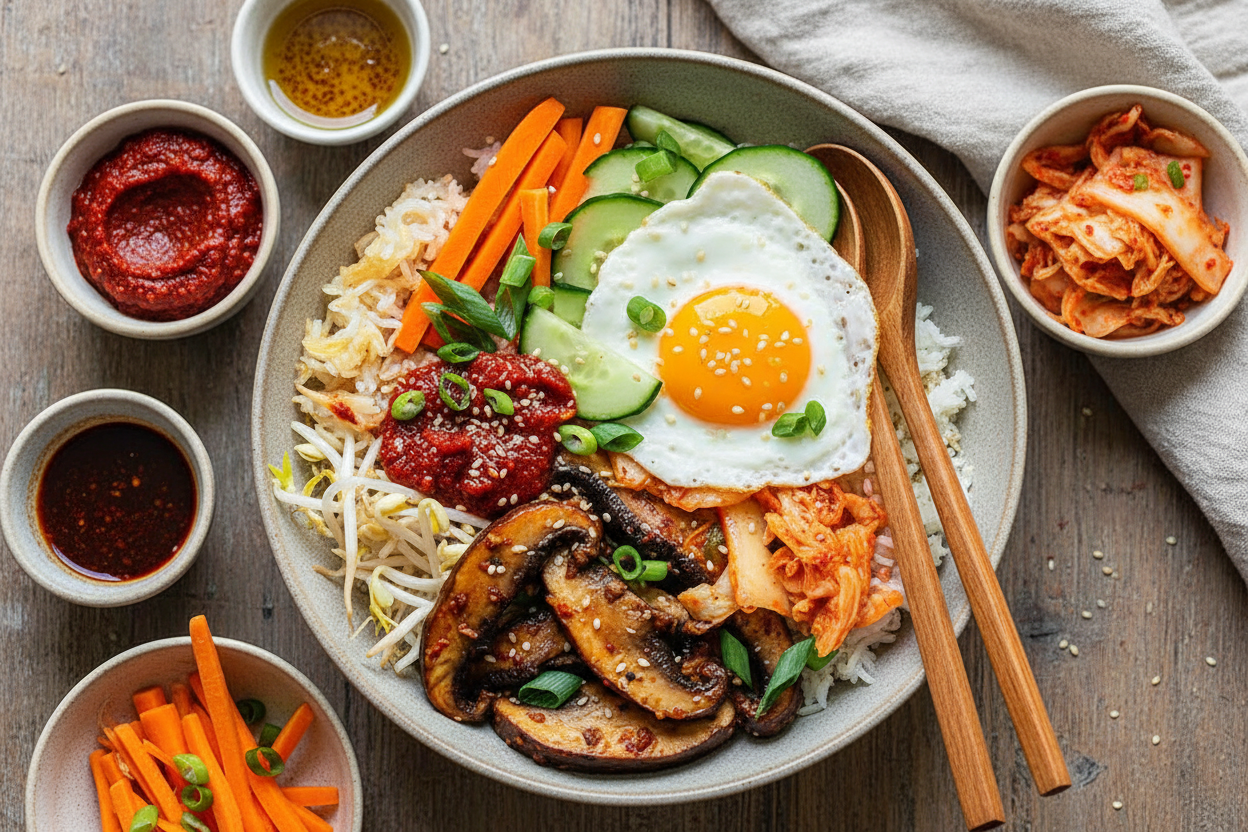
My First Taste of Bibimbap
My friend Soo-Jin made this for me years ago. I was nervous about the spicy red sauce. She just smiled and told me to mix it all up. So I did. The first bite was a happy surprise! The warm rice, cool veggies, and that egg yolk made everything rich and cozy. I still laugh at how worried I was.
That’s why this matters. Trying new foods is like making a new friend. You might be shy at first. But then you find something wonderful. Have you ever been surprised by a food you thought you wouldn’t like? Tell me about it!
The Magic of Mixing It Up
“Bibimbap” just means “mixed rice.” That’s the best part! You get a little bit of everything in one bowl. Crunchy carrot, tangy kimchi, soft mushrooms, and that runny egg. You stir it all together with the sauce. Each bite is a little different. Doesn’t that sound fun?
*Fun fact: The sizzling stone bowl version is called dolsot bibimbap. It makes the rice at the bottom crispy!*
Let’s Talk About That Sauce
The sauce is the heart of the dish. It’s spicy, sweet, and a little garlicky. If you can’t find the Korean pepper flakes, use sriracha. It will still be delicious. The key is to make it yours. I like a little extra sesame oil in mine. It smells amazing.
What’s your favorite sauce to put on everything? Is it something creamy, spicy, or tangy? I’d love to know your secret!
Mushrooms That Taste Like Meat
Portobello mushrooms are magic. They soak up the marinade like a sponge. The soy sauce and sesame oil make them taste deep and savory. My grandson calls them “meaty mushrooms.” He loves them. That’s why this matters. Eating more veggies is easy when they taste this good.
You just slice them and let them sit in the sauce. Then cook them in a hot pan. They get all browned and wonderful. It’s my favorite step.
Building Your Perfect Bowl
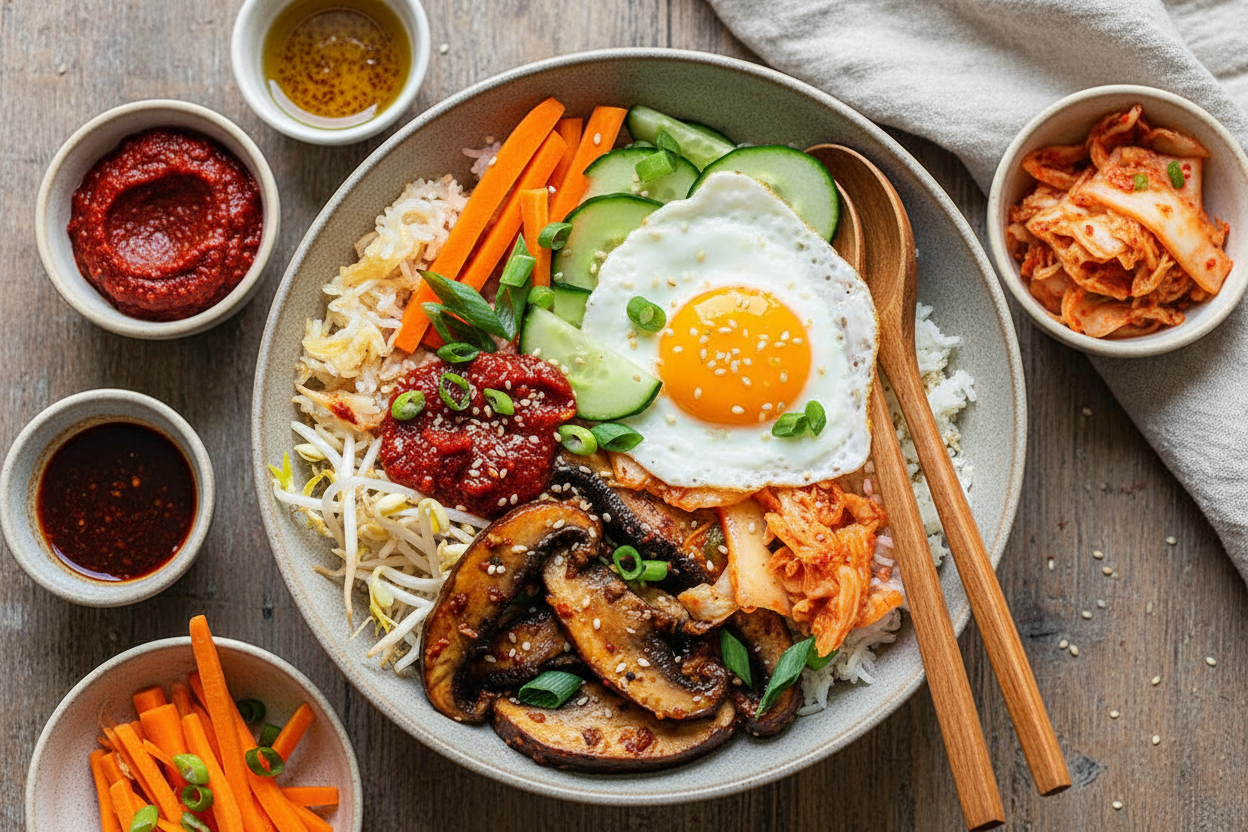
Now for the fun part. Start with a bed of fluffy rice. Then add your colorful veggies. I like to make little piles around the bowl. It looks so pretty. Next, add the warm mushrooms and that perfect fried egg. Finally, drizzle your red sauce over everything.
The final touch is mixing. Get your spoon and stir it all up. The yolk and sauce coat every grain of rice. Do you like a runny yolk or a firm one? That’s your choice to make. Cooking should always have choices.
Ingredients:
| Ingredient | Amount | Notes |
|---|---|---|
| gochugaru flakes, Korean red pepper | 4 Tbsp (15 g) | For Gochujang Sauce |
| toasted sesame oil | 2 Tbsp (30 mL) | For Gochujang Sauce |
| sugar | 2 Tbsp (20 g) | For Gochujang Sauce |
| water | 2 Tbsp (30 mL) | For Gochujang Sauce |
| rice vinegar | 1 Tbsp (15 mL) | For Gochujang Sauce |
| soy sauce | 1 tsp (5 mL) | For Gochujang Sauce |
| garlic, minced | 2 cloves | For Gochujang Sauce |
| portobello mushrooms | 4 | For Mushroom Bulgogi |
| soy sauce | 2 Tbsp (30 mL) | For Mushroom Bulgogi; sub tamari for GF |
| rice vinegar | 2 Tbsp (30 mL) | For Mushroom Bulgogi |
| toasted sesame oil | 2 Tbsp (30 mL) | For Mushroom Bulgogi; can sub olive oil |
| garlic, minced | 2 cloves | For Mushroom Bulgogi |
| gochugaru flakes | 1 tsp | For Mushroom Bulgogi; can sub ½ tsp crushed red pepper |
| uncooked rice, white or brown | 1 cup (200 g) | Filling |
| bean sprouts | 1 cup (75 g) | Filling |
| kimchi, chopped | 1 cup (200 g) | Filling |
| cucumber, diced | ½ | Filling |
| carrot, julienne sliced or shredded | 1 | Filling |
| green onions, chopped | 2 | Filling |
| eggs | 3 | Filling |
My Cozy Kitchen Bibimbap
Hello, dear! Let’s make a colorful rice bowl together. I call it my “kitchen sink” supper. You toss in all the good veggies you have. Doesn’t that smell amazing? The star is the sweet-spicy mushroom bulgogi. It sounds fancy, but it’s just marinated mushrooms. My grandson taught me this recipe. I still laugh at that. He said, “Grandma, you’ll love the gochujang sauce!” He was right. It’s now my favorite jar in the fridge. Let’s get our bowls ready. This meal feels like a warm hug.
Step 1: Make the Magic Sauce
Stir the gochugaru flakes, sesame oil, sugar, water, vinegar, soy sauce, and garlic in a little bowl. It will be a beautiful red color. If you can’t find the flakes, just use sriracha. It works perfectly! Let that sauce sit. The flavors will become friends. (My hard-learned tip: Taste your sauce now. Add a pinch more sugar if it’s too spicy for you.)
Step 2: Marinate the Mushrooms
Wipe your portobello caps clean. Slice them nice and thick. Mix the soy sauce, vinegar, oil, garlic, and pepper flakes. Toss the mushrooms in that marinade. Let them soak up the flavor for a bit. I like to do this while I chop the other veggies. It makes the kitchen smell so good.
Step 3: Cook Rice & Prep Veggies
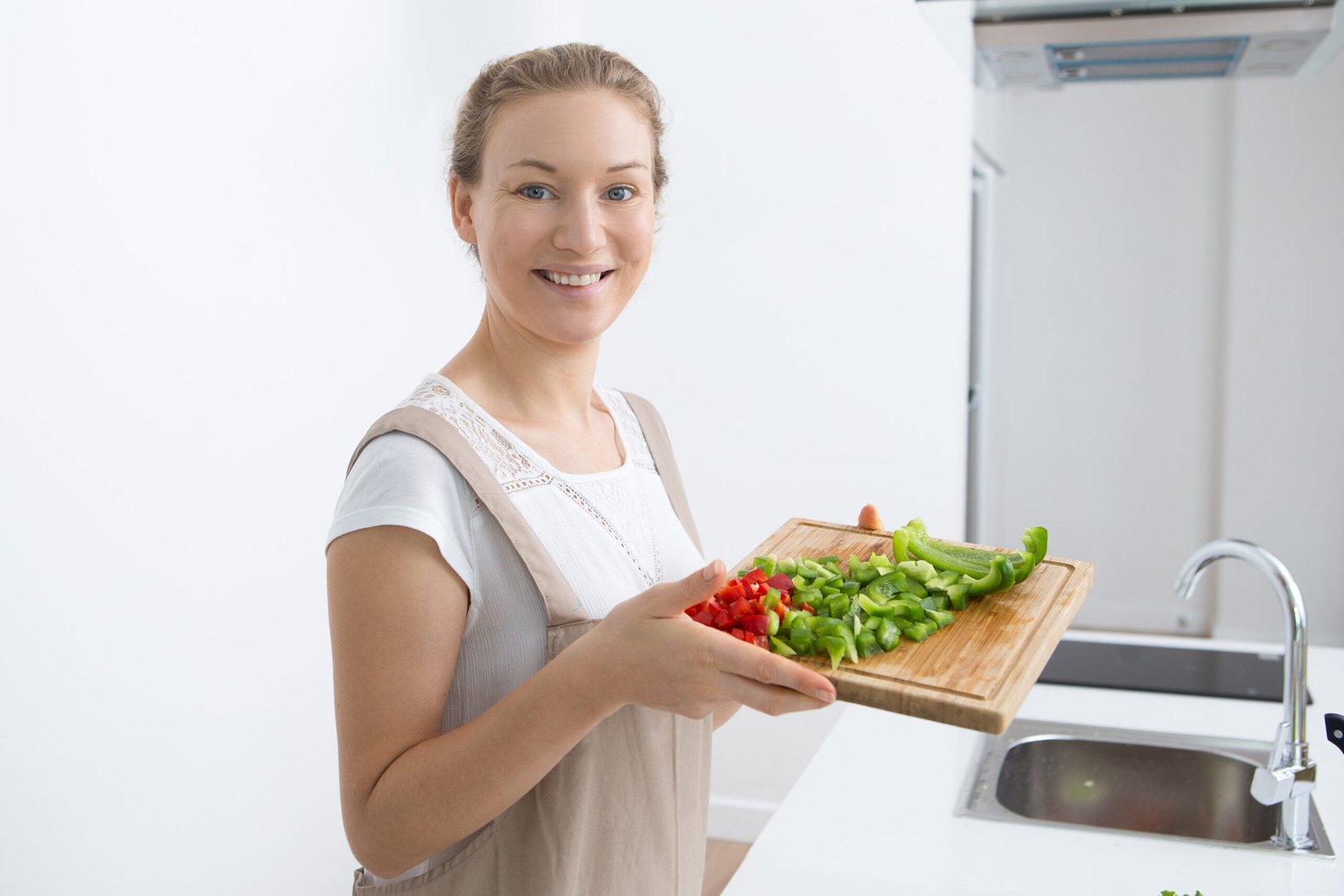
Cook your rice. Follow the instructions on the bag. While it cooks, prep your fillings. Chop the cucumber and green onions. Shred the carrot. Get your bean sprouts and kimchi ready. I love all the bright colors on the cutting board. What’s your favorite colorful veggie to add? Share below!
Step 4: Cook the Mushrooms & Eggs
Heat a skillet. Cook your marinated mushrooms for about five minutes. Flip them once. They get a lovely deep brown color. In another pan, fry your eggs sunny-side up. Keep those yolks runny. They will be like a golden sauce for your rice. It’s the best part.
Step 5: Assemble the Bowls
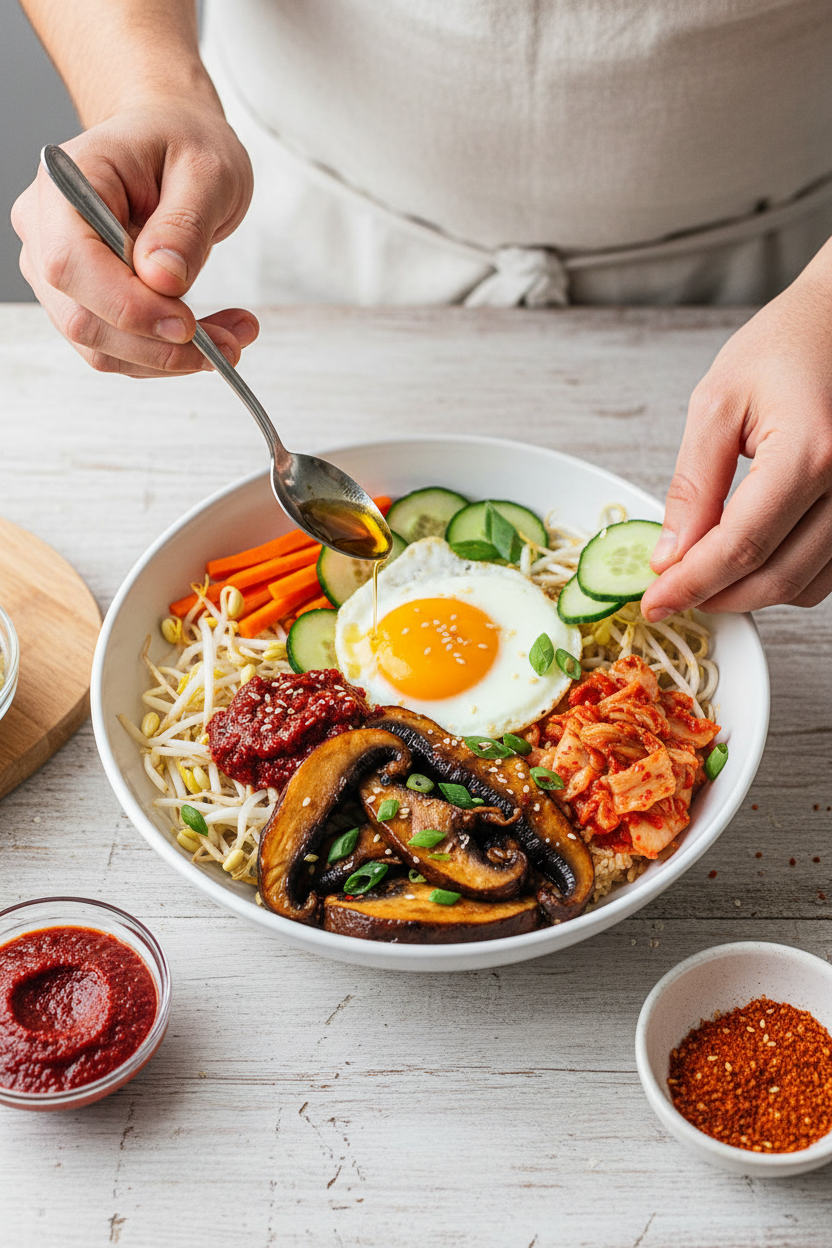
Put a big scoop of fluffy rice in each bowl. Arrange your mushrooms and all the pretty veggies on top. Drizzle that wonderful red sauce over everything. Gently place a fried egg right in the center. Serve it immediately and mix it all up! The runny yolk mixes with the sauce. It creates something truly special.
| Cook Time | 30 minutes |
| Total Time | 45 minutes |
| Yield | 2-3 servings |
| Category | Dinner, Healthy |
Three Fun Twists to Try
This recipe is like a blank canvas. You can paint it with different flavors. Here are three of my favorite twists. They keep dinner exciting at my house.
Breakfast Bibimbap
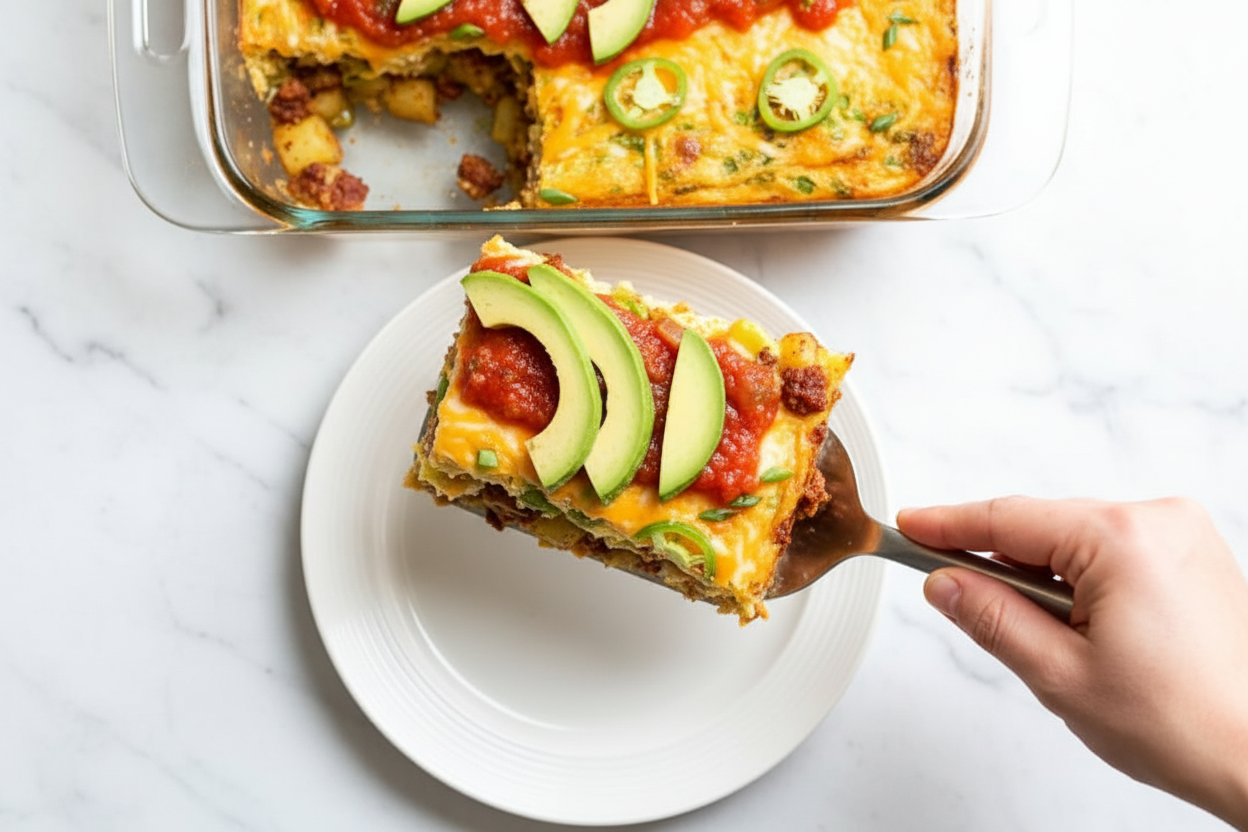
Use leftover rice. Top it with a crispy fried egg and avocado slices. Skip the spicy sauce. Drizzle with a little soy sauce instead. Perfect for a lazy Sunday morning.
Sweet Potato Power Bowl
Roast cubes of sweet potato with the mushrooms. Their sweetness is wonderful with the spicy gochujang. It makes the bowl extra hearty and cozy.
Summer Garden Version
Use fresh, raw zucchini ribbons and yellow cherry tomatoes. Add a big spoonful of creamy hummus in place of the egg. It’s so light and refreshing.
Which one would you try first? Comment below!
Serving It Up Just Right
This bowl is a full meal by itself. But I love adding little touches. A small side of miso soup is lovely. Or some crispy seaweed snacks for crunch. For drinks, I have two favorites. A cold, crisp lager beer pairs beautifully with the spicy flavors. For a non-alcoholic choice, try sparkling water with a slice of lime. It’s so cleansing between bites.
The most important tip is to use your prettiest bowls. We eat first with our eyes, you know. Present all the veggies in little piles. It looks like a rainbow. Which would you choose tonight? The beer or the sparkling lime water? I’d love to hear.
Keeping Your Bibimbap Bright and Tasty
Let’s talk about keeping your meal fresh. Store each part separately in the fridge. Put rice, mushrooms, and veggies in their own little containers. This keeps everything from getting soggy. It will be good for about two days.
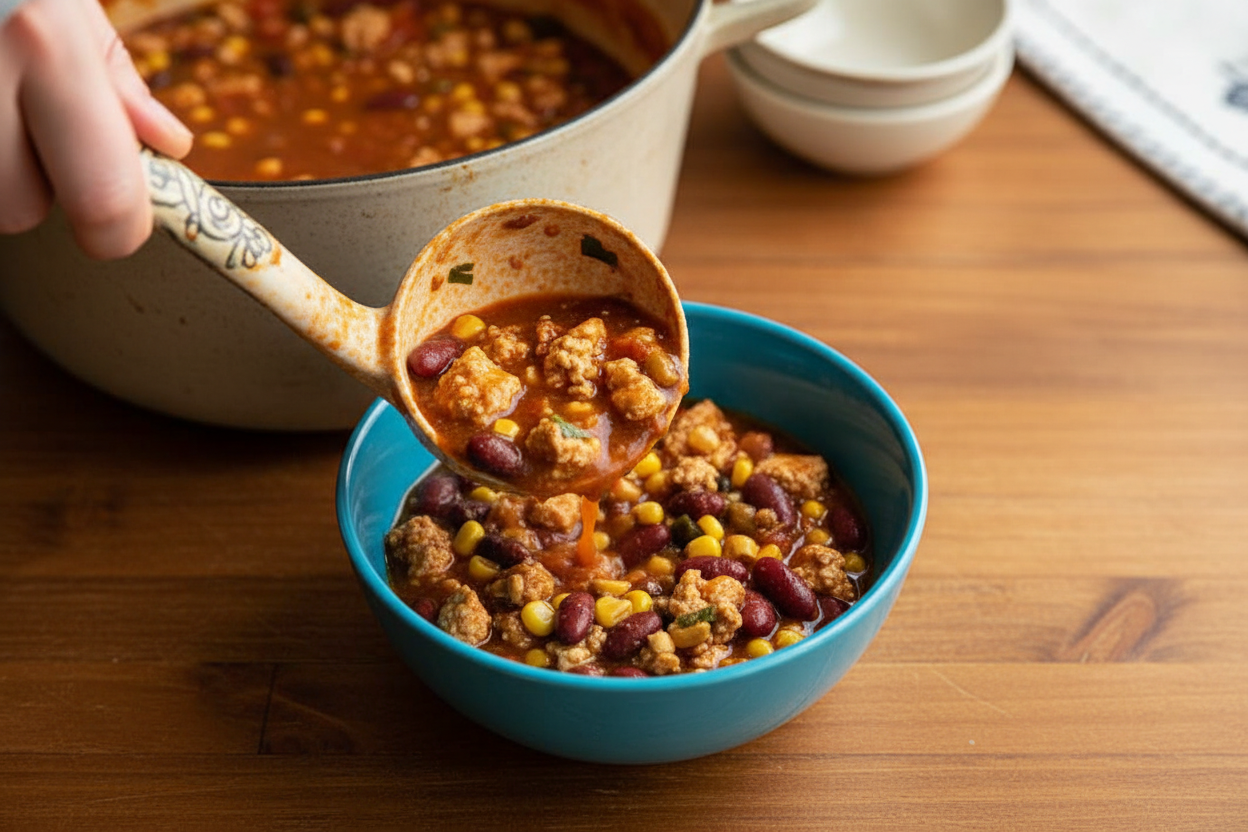
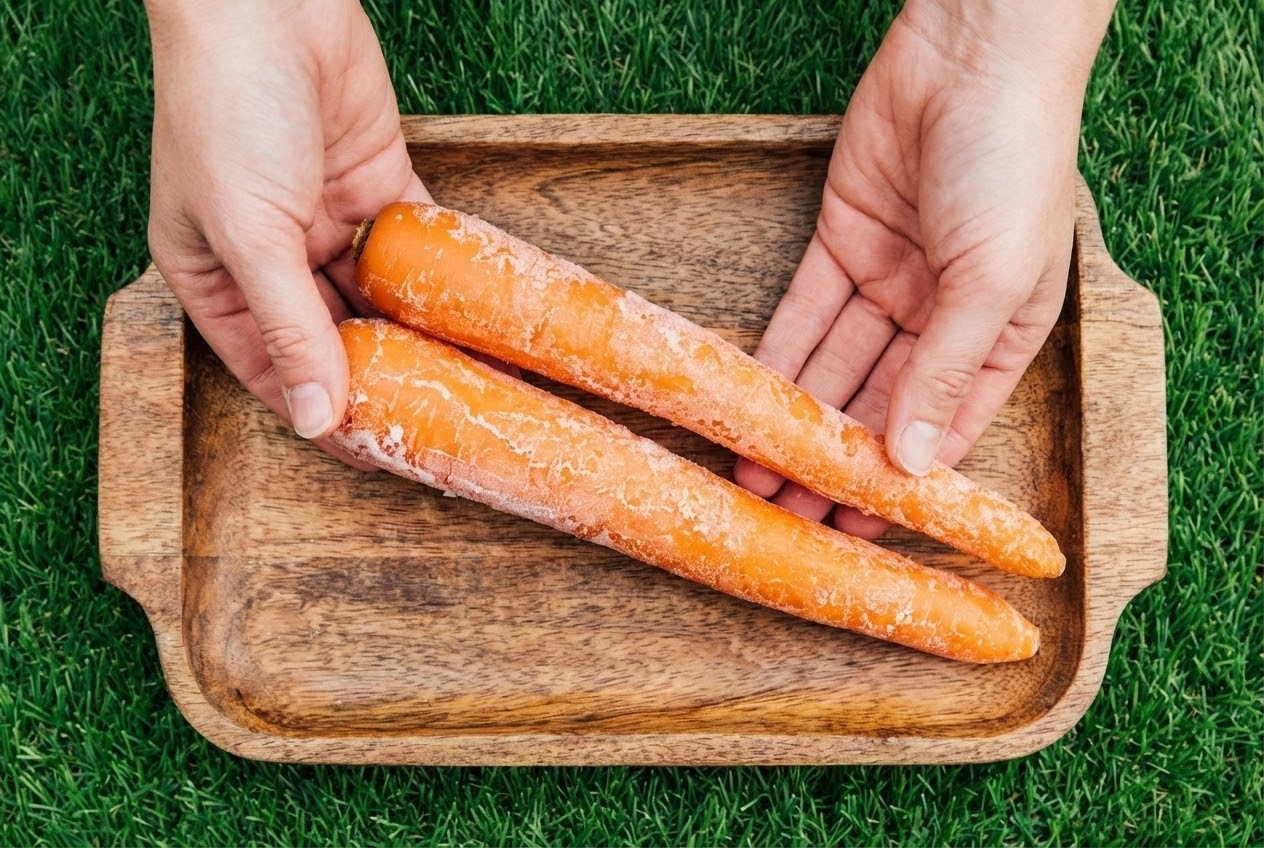
You can freeze the cooked mushroom bulgogi. I pack it flat in a freezer bag. This way, it thaws quickly for a fast dinner. The first time I made this, I mixed it all together before storing. What a mushy lesson that was!
Reheat the rice and mushrooms gently in the microwave. Add a tiny splash of water to the rice. Fresh veggies and a new fried egg make it perfect again. Batch cooking the parts saves busy weeknights. It means a healthy meal is always close by. Have you ever tried storing it this way? Share below!
Simple Fixes for Common Bibimbap Hiccups
Sometimes cooking doesn’t go as planned. That’s okay. Here are easy fixes. First, if your rice is sticky, rinse it well before cooking. I remember when my rice was one big clump. Rinsing makes it fluffy and separate.
Second, your mushrooms might let out lots of water. Just cook them a bit longer. Let that liquid evaporate. They will get nicely browned. This matters for a deep, savory flavor.
Third, the sauce might be too spicy for some. Simply add a little more sugar or water. Taste as you go. Getting the sauce right builds your cooking confidence. You learn to make a dish truly yours. Which of these problems have you run into before?
Your Bibimbap Questions, Answered
Q: Can I make this gluten-free? A: Yes! Use tamari instead of regular soy sauce. Check your gochujang sauce label too.
Q: What parts can I make ahead? A: The sauce and mushroom marinade are great to prep early. Cook the rice and slice veggies too.
Q: I don’t have gochugaru flakes. A: No problem. Use sriracha or crushed red pepper. The dish will still be delicious.
Q: Can I double the recipe? A: Absolutely. Just use a bigger pan for the mushrooms. You might need to cook them in two batches.
Q: Any optional tips? A: A sprinkle of sesame seeds on top is lovely. Fun fact: Toasting sesame seeds makes their flavor pop! Which tip will you try first?
From My Kitchen to Yours
I hope you love making this colorful bowl. It’s a fun way to eat your veggies. Cooking should be joyful, not stressful. If you give this recipe a twist, I’d love to hear about it.
Share your creation with me. Your photos always make my day. Have you tried this recipe? Tag us on Pinterest! I can’t wait to see your beautiful bibimbap. Happy cooking!
—Emma Caldwell.
Loaded Vegetarian Bibimbap Recipe: Loaded Vegetarian Bibimbap Recipe for a Healthy Meal
Description
Loaded vegetarian bibimbap with crispy veggies, a fried egg & spicy gochujang sauce. Easy, healthy & packed with flavor! Ready in 30 minutes.
Ingredients
Gochujang Sauce (can sub sriracha)
Mushroom Bulgogi
Fillings
Instructions
- Sauce: Stir together all Gochujang Sauce ingredients (if you have trouble finding gochugaru flakes, simply use sriracha instead of making this sauce).
- Bolgogi: Remove mushroom stems and clean caps with a wet paper towel. Cut into ¼ inch slices. In a small bowl, stir together remaining bulgogi ingredients. Toss to coat the mushrooms, and set aside to marinate.
- Fillings: Cook rice according to instructions on the package. Prep veggies, chopping or slicing as needed.
- Cook Bulgogi: Cook mushrooms in a large nonstick skillet over medium heat for about 5 minutes, flipping to evenly cook. They should be slightly softened and deep brown when finished.
- Fry Eggs: Fry eggs sunny side up over medium heat (so that whites are firm but yolks are runny).
- Assemble: Portion rice into 2 or 3 serving bowls. Top with mushroom bulgogi, fillings, sauce, and a fried egg. Serve immediately.
Notes
- Nutrition per serving: Calories: 573kcal | Carbohydrates: 71.6g | Protein: 17.2g | Fat: 24.8g | Saturated Fat: 4.4g | Cholesterol: 164mg | Sodium: 806mg | Potassium: 1096mg | Fiber: 5g | Sugar: 12.7g | Calcium: 91mg | Iron: 4mg
Leave a Reply